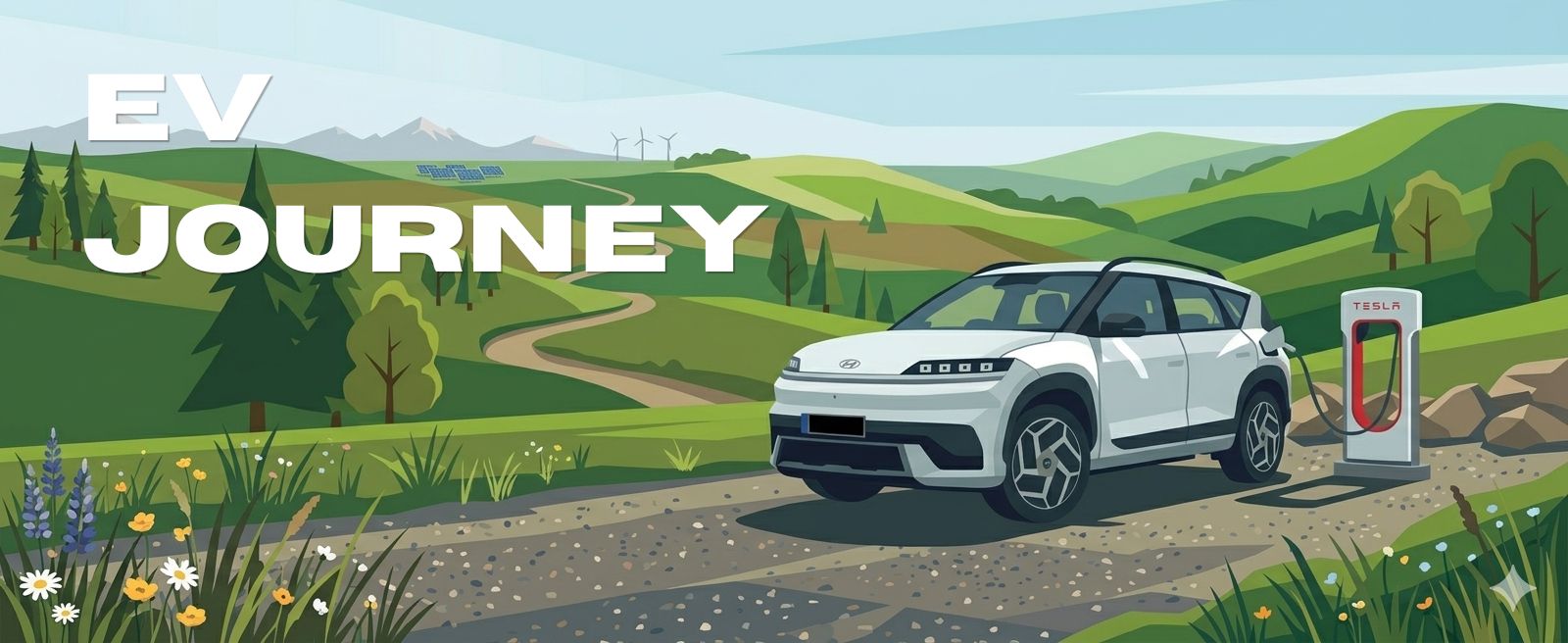
As we move through 2026, the transition to electric vehicles (EVs) is no longer a distant “green” ambition—it’s a logistical reality. Global EV sales grew by nearly 30% in 2025, and current data for 2026 suggests that electrified vehicles now represent roughly 25% of all new car purchases worldwide. But this rapid adoption has sparked a high-voltage debate: Can our electricity grids actually handle millions of “moving batteries” plugging in at once?
The Energy Paradox: Efficiency vs. Demand
The first concern for many is whether we have enough power. Interestingly, EVs are roughly three to five times more energy-efficient than internal combustion engine (ICE) vehicles. While an ICE car wastes most of its fuel as heat, EVs convert over 80% of their energy into motion.
According to the IEA’s Electricity 2026 report, global electricity demand is forecast to grow by about 3.6% annually. While EVs contribute to this, they are not the sole driver—data centers and industrial electrification are equally significant. For most developed nations, a total transition to EVs would only require a 1–2% annual increase in electricity generation, a manageable figure if planned correctly.
Global Leaders: How They Sustained the Spark
To see the future, we look to the countries that have already crossed the “EV chasm.”
1. Norway: The Policy Pioneer
Norway is the undisputed world leader, with over 90% of new car sales being all-electric as of late 2025. Their secret wasn’t just subsidies; it was a 30-year head start.
- The Strategy: Starting in the 1990s, they removed high VAT and registration taxes for EVs, making them the “rational” financial choice.
- The Result: Because they started early, their grid upgrades were incremental rather than a “shock to the system.”
2. The Netherlands: Masters of the “Smart Grid”
If Norway is the leader in adoption, the Netherlands is the leader in infrastructure intelligence.
- The Strategy: Rather than just building more power plants, cities like Amsterdam and Utrecht launched massive “Smart Charging” pilots in early 2025.
- The Impact: Using V2X (Vehicle-to-Everything) technology, EVs act as a giant decentralised battery. When the sun is shining or the wind is blowing, cars charge at high speeds. During peak evening hours, the grid can actually “sip” power back from the cars to prevent blackouts.
3. China: Scaling Through Renewables
China manages the world’s largest EV fleet by tightly coupling transport with energy generation.
- The Strategy: They have aggressively paired EV charging hubs with massive solar and wind farms.
- The Impact: Recent studies show that China’s use of smart charging has reduced the need for additional grid storage by up to 14%, effectively using the cars themselves to stabilise the national power system.
Did the Grids Break?
The short answer is no. But the success wasn’t accidental. High-uptake countries avoided “gridlock” through three specific measures:
- Time-of-Use (TOU) Pricing: Incentivising users to charge at 2:00 AM instead of 6:00 PM.
- Proactive Upgrades: Investing in local distribution transformers before a neighbourhood reaches 50% EV penetration.
- Managed Charging: Software that allows utilities to slightly throttle charging speeds during rare emergency peaks, often without the driver even noticing.
The Road Ahead
For countries still in the early stages of adoption, the lesson is clear: The “EV threat” to the grid is a management challenge, not a resource scarcity. By treating EVs as flexible grid assets rather than just “new loads,” we can create a more resilient, renewable energy system.
Further Reading
- IEA Electricity 2026 Report: Analysis of global energy demand and the role of EVs.
- World Resources Institute: How Norway and other leaders achieved fast EV adoption.
- Amsterdam Smart Charging Initiative: Details on the 2025 pilot to reduce grid stress.
- Recurrent 2026 EV Market Trends: Insights into range retention and charging speed improvements.
 EV Journey
Leave a comment