For years, the narrative around electric vehicles (EVs) has been fairly consistent: they are sleek, high-tech, and—most importantly—expensive. For low-income households already squeezed by the rising cost of living, the idea of “going green” often felt like a luxury reserved for those with six-figure salaries and private driveways.
However, as we move through 2026, the “Electric Divide” is starting to bridge. A combination of a maturing secondhand market, shifting fuel prices, and new charging strategies is turning the EV from a status symbol into a potential lifeline for the budget-conscious.
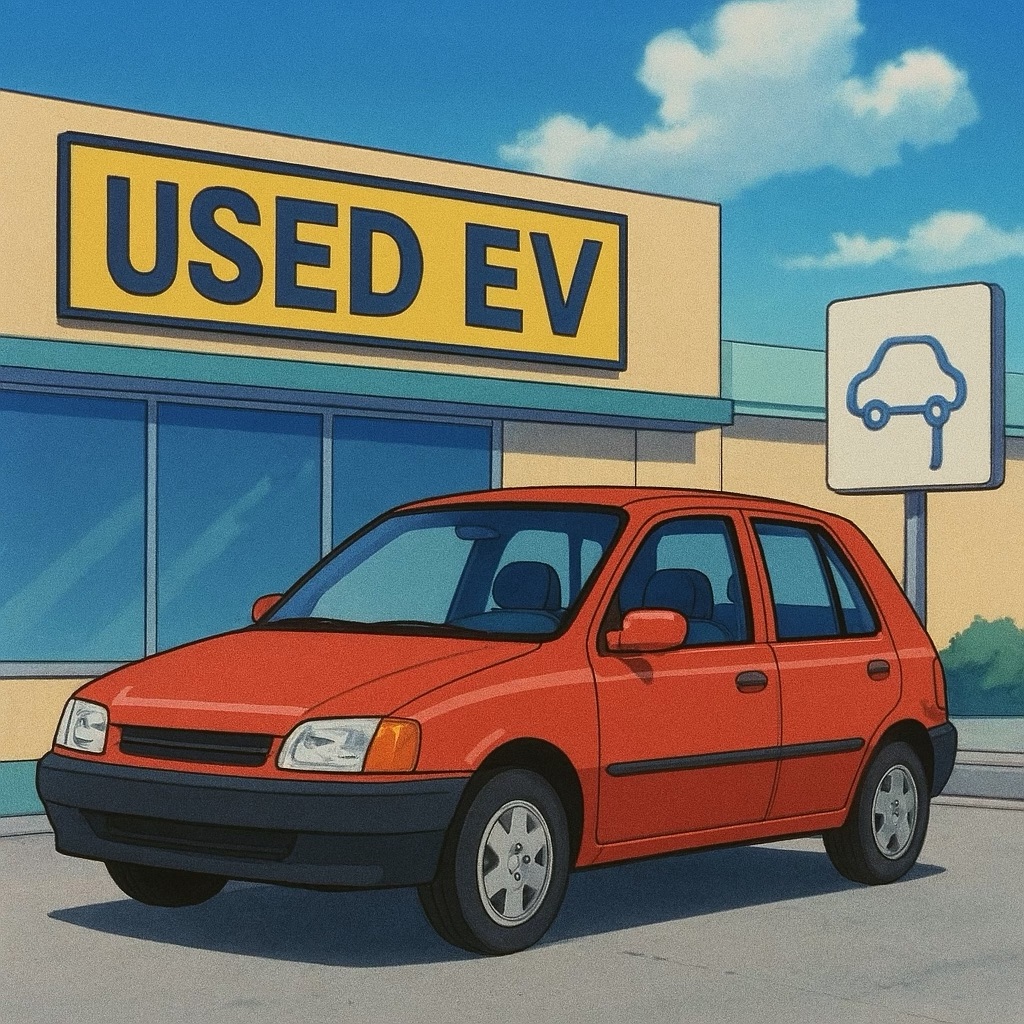
The $25k Sweet Spot: The Rise of the Used EV
The biggest barrier to EV adoption has always been the upfront “sticker shock.” But the 2026 secondhand market is looking drastically different than it did three years ago.
Between 2021 and 2023, a wave of new EVs hit the roads. Now, those cars are coming off three-year leases and hitting the used market in record numbers. In Australia alone, used EV sales doubled in early 2026 as families looked for ways to escape skyrocketing petrol prices, which have hovered near $2.20–$3.00 per litre due to global supply tensions.
- Price Parity: You can now find 2022 and 2023 models—like the BYD Atto 3, MG4, or even early Tesla Model 3s—in the $20,000 to $30,000 range.
- The Depreciation Friend: While depreciation is a headache for new car buyers, it is the best friend of the budget buyer. A three-year-old EV has often lost 30-40% of its original value, yet it remains technologically relevant and significantly cheaper to run.
Battery Anxiety vs. Battery Reality
The most common question for secondhand buyers is: “Will the battery die next week?“
Data from the last few years has been reassuring. Most EV batteries from the 2020 era are retaining approximately 97% of their original range after three years of use. For a household doing the average Australian commute, a 3% loss is practically invisible. Furthermore, many of these vehicles still have several years of their 8-year battery warranty remaining, providing a safety net that used internal combustion engine (ICE) cars rarely offer.
The “Driveway Divide”: Charging on a Budget
While the cars are becoming cheaper, charging remains a complex hurdle for low-income households, particularly those in rentals or apartments.
The Home Charging Advantage
If you have a driveway and access to a standard power point, you are winning. Even without a dedicated fast-charger, an EV can “trickle charge” overnight for a fraction of the cost of petrol. For those with solar panels, the “Solar Soak” (charging during the day) can effectively bring fuel costs down to near zero.
The Kerbside Revolution
The real challenge lies with “garage-orphans”—renters who can’t install chargers. Governments are finally catching up. In 2026, we are seeing a massive push for kerbside charging infrastructure in suburban and regional “blackspots.” These public AC chargers allow residents to plug in overnight on the street, offering a middle ground between expensive high-speed chargers and home charging.
The Public Network
The Australian public network now boasts over 5,000 charging sites. While DC fast-charging is more expensive than home power, it remains significantly cheaper than petrol during the current global oil shock.
Is It Actually Cheaper? The Total Cost of Ownership (TCO)
When you look at the math, a used EV often beats a used petrol car on a 5-to-10-year horizon:
- Fuel Savings: A typical EV owner saves roughly $2,000–$3,000 per year on fuel.
- Maintenance: No oil changes, fewer moving parts, and less frequent brake replacements (thanks to regenerative braking) reduce maintenance costs by roughly 40%.
For a low-income household, that $3,000 annual saving isn’t just “extra” money—it’s the difference between financial strain and a comfortable buffer.
The Verdict
The transition isn’t perfect. We still need more targeted incentives for low-income buyers and better protection for renters wanting to install chargers. However, if you are looking for a vehicle in 2026, the “reliable old petrol car” might actually be the riskier financial move. The secondhand EV has officially entered the chat.


Leave a Reply